
B
Blog
Pavé-Uni vs. Asphalt: Which Is Better for Your Home?
In this guide, we’ll compare cost, aesthetics, and longevity to help you make the best decision for your home.
Cost Comparison: Upfront vs. Long-Term Value
At first glance, asphalt is the more affordable option. Installation costs are typically lower, making it attractive for homeowners working with a tight budget.
- Asphalt: Lower initial cost, quick installation
- Pavé-Uni: Higher upfront investment, but greater long-term value
However, it’s important to think beyond the initial price. Asphalt requires regular maintenance such as sealing every few years, which adds up over time. Pavé-uni, on the other hand, may cost more upfront but often requires fewer major repairs.
Verdict:
- Short-term savings → Asphalt
- Long-term investment → Pavé-Uni
Aesthetics: Boosting Your Home’s Curb Appeal
If appearance matters, pavé-uni is the clear winner.
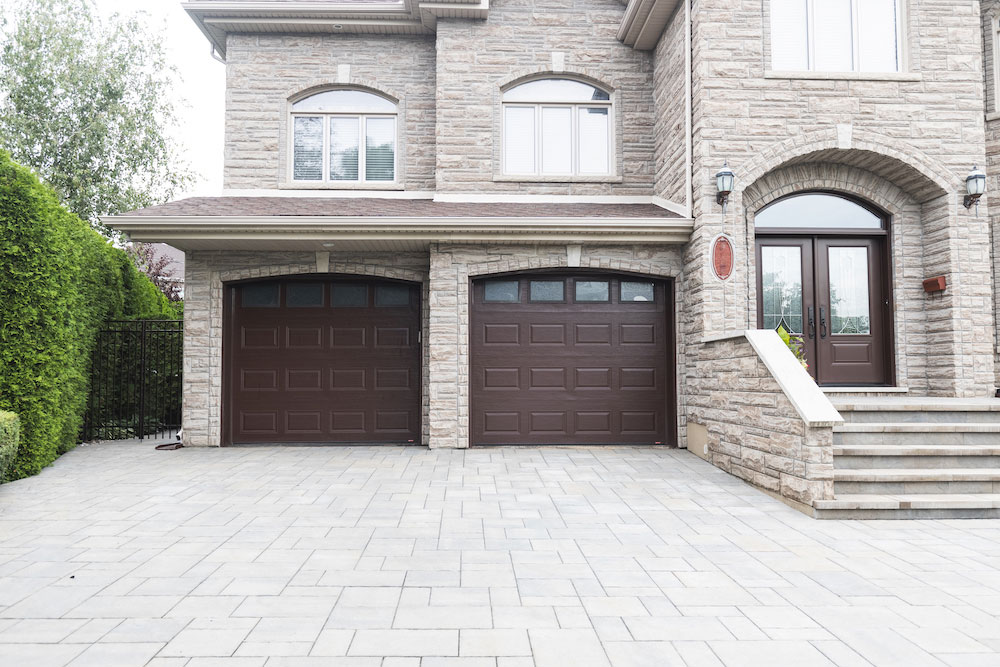
Pavé-uni offers a wide variety of colors, patterns, and textures, allowing you to fully customize your driveway, walkway, or patio. It can significantly enhance your property’s curb appeal and even increase its resale value.
Asphalt, while functional, has a more basic and uniform look. It typically comes in black and offers limited design flexibility.
Verdict:
- Modern, elegant, customizable → Pavé-Uni
- Simple and practical → Asphalt
Longevity and Durability
Montreal’s harsh winters and freeze-thaw cycles can take a toll on outdoor surfaces.
- Asphalt: Typically lasts 15–20 years with proper maintenance
- Pavé-Uni: Can last 25–30+ years and is easier to repair
One major advantage of pavé-uni is its flexibility. Individual stones can shift slightly without cracking, making it more resistant to temperature changes. If damage occurs, you can simply replace the affected stones instead of redoing the entire surface.
Asphalt, by contrast, is prone to cracking over time and often requires resurfacing.
Verdict:
- Longer lifespan and easier repairs → Pavé-Uni
- Moderate durability → Asphalt
Maintenance Requirements
Maintenance is another key factor to consider.
- Asphalt: Requires sealing every 2–3 years and crack repairs
- Pavé-Uni: Occasional cleaning and joint sand replacement
While pavé-uni may require minor upkeep, it generally avoids costly resurfacing projects.
Conclusion: Which One Should You Choose?
Choosing between pavé-uni and asphalt ultimately depends on your priorities:
- Choose asphalt if you want a quick, budget-friendly solution
- Choose pavé-uni if you’re looking for durability, beauty, and long-term value
For homeowners in Montreal and Laval, pavé-uni is often the preferred choice due to its ability to withstand extreme weather while enhancing property value.
Thinking about upgrading your driveway or outdoor space?
Groupe Mikasa specializes in high-quality pavé-uni installations designed to last for years.
Contact Groupe Mikasa today for a free consultation and transform your outdoor space with expert craftsmanship.