
B
Blog
How to Plan a Landscaping Project from Start to Finish
Quick Summary: Planning a landscaping project involves defining goals, setting a budget, analyzing your property, creating a design, choosing materials, and executing proper installation.
Planning a landscaping project is one of the best ways to increase your home’s value, improve curb appeal, and create a functional outdoor space. Whether you’re installing pavé uni, patios, or a full backyard transformation, a clear plan will save time, money, and stress.
This step-by-step guide is designed specifically for homeowners in Montreal, Laval, and surrounding areas, where climate and soil conditions play a major role in success.
1. Define Your Landscaping Goals
Start by identifying exactly what you want:
- Outdoor entertainment area (patio, fire pit)
- Low-maintenance yard
- Increased property value
- Better drainage or slope correction
💡 Pro Tip: Think long-term. A well-designed landscape can increase property value and usability for years.
2. Set a Realistic Landscaping Budget
Your budget determines everything—from materials to project scope.
Typical Landscaping Costs in Quebec:
- Pavé uni patio: $20–$40/sq.ft
- Retaining wall: $60–$120/linear ft
- Full backyard redesign: $10,000+
👉 Always add 10–15% contingency for unexpected issues like soil conditions or drainage problems.
3. Analyze Your Property (Critical Step Most Skip)
Before designing anything, evaluate:
- Soil type (clay-heavy in Montreal)
- Drainage and water flow
- Sun exposure (north vs south-facing yards)
- Slope and elevation
Ignoring these factors can lead to:
- Water pooling
- Shifting pavers
- Dead plants
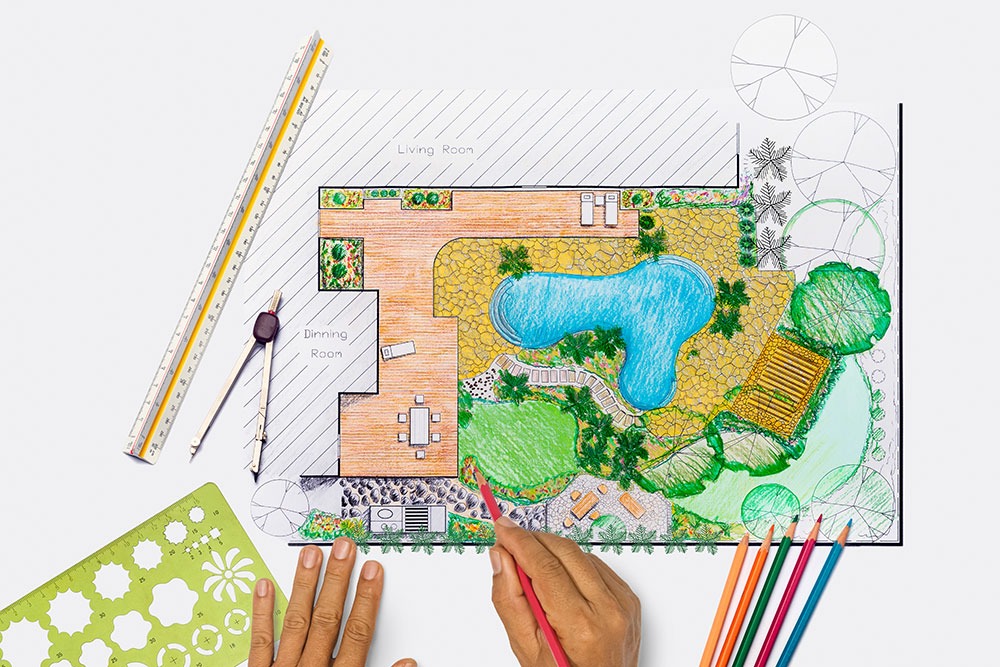
4. Create a Professional Landscaping Design Plan
A proper design should include:
- Layout and measurements
- Material selections
- Traffic flow (walkways, entrances)
- Functional zones (relaxation, dining, gardening)
👉 At Groupe Mikasa, we often recommend 3D landscaping design so clients can visualize everything before construction
5. Choose the Right Materials for Quebec Climate
Material selection impacts durability and maintenance.
Best Options:
- Pavé uni – durable, flexible in freeze-thaw cycles
- Natural stone – premium look, long lifespan
- Concrete – cost-effective but less flexible
💡 Choose materials that handle harsh winters and freeze cycles.
6. Check Permits & Regulations (Often Overlooked)
In cities like Montreal and Laval, you may need permits for:
- Retaining walls
- Fences
- Decks
- Excavation work
Failing to check regulations can delay your project or result in fines.
7. Plan Your Timeline Properly
Best time for landscaping in Quebec:
- Spring to early fall
Typical Timeline:
- Design: 1–3 weeks
- Preparation: 1 week
- Installation: 1–4 weeks
Avoid rushing—weather plays a major role in quality.
8. Site Preparation is Everything
This is where most projects fail.
Includes:
- Excavation
- Proper base foundation
- Compaction
- Drainage system installation
👉 A strong base = no sinking or shifting later.
9. Installation & Quality Control
During installation:
- Ensure proper slope for drainage
- Verify alignment and leveling
- Use high-quality materials
Small mistakes here lead to expensive repairs later.
10. Plan for Maintenance
To protect your investment:
- Clean and seal pavé uni every 2–3 years
- Maintain plants seasonally
- Inspect drainage annually
11. Common Mistakes to Avoid
- Skipping the design phase
- Choosing cheap materials
- Ignoring drainage
- Underestimating budget
- Hiring inexperienced contractors
12. Why Work with a Professional Landscaping Company?
A professional ensures:
- Proper planning and execution
- Compliance with local regulations
- Long-lasting results
With over 40 years of experience, Groupe Mikasa helps homeowners design and build durable, high-end outdoor spaces from start to finish.
FAQ – Landscaping Projects
How much does a landscaping project cost?
Costs vary widely, but most projects range from $5,000 to $50,000+ depending on size and materials. Groupe Mikasa also offers financing!
How long does landscaping take?
Typically 2–6 weeks depending on complexity and weather.
Do I need a permit?
Yes, for certain structures like walls, decks, and major excavation.
What is the best time to start?
Spring and early summer are ideal in Quebec.